The winding up procedure, also known as Compulsory Liquidation, is the process of forcing a company to close when it cannot pay its debts. A creditor, such as a supplier or HMRC, can take this action...
Read More

If your business is insolvent, you might be worried about the potential impact it can have on your own finances, particularly if you have signed a personal guarantee.
Read More

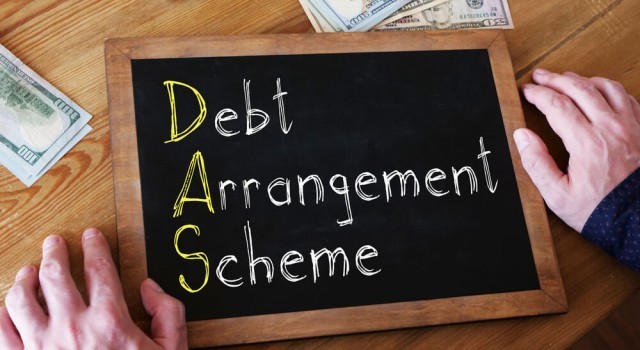
A debt arrangement scheme is a common agreement whereby Scottish residents in serious levels of debt can repay their creditors through consolidated monthly or weekly payments.
Read More

If you’re struggling to pay your unsecured debts, a debt payment programme could help you to regain control of the situation, and become financially stable again.
Read More

A protected Scottish Trust Deed is legally binding and provides certainty over repayments, whereas, under an unprotected Trust Deed, repayments can change.
Read More

Sequestration is often a last resort for people in serious debt, and one that is taken only after all other options have been exhausted.
Read More

If you’re struggling with company tax debts, you can make a Time to Pay arrangement with HMRC to repay what you owe over a typical period of six months.
Read More

Sequestration is a serious form of insolvency action, equivalent to bankruptcy in the UK, which can affect your chances of getting a mortgage.
Read More

One of the most common debt-help agreements is a trust deed and this in large part due to the number of advantages that the trust deed process brings.
Read More

If you are struggling to pay company debts and face increasing pressure and threats of legal action from your creditors, it is a sign that your business is insolvent.
Read More

A director’s loan account (DLA) can become overdrawn if too much money is taken from the company that isn’t salary or a dividend. Directors’ Loan Accounts are useful when operated with caution,...
Read More

The directors of insolvent companies (companies that cannot pay their debts) have a legal duty to act in the best interests of their creditors.
Read More
Our Insolvency Practitioners are regulated by ICAS or the IPA and our firm is authorised and regulated by the Financial Conduct Authority
We have FCA authorisation for advice relating to Debt Arrangement Schemes and we are regulated by the ICAS and IPA when giving advice as an insolvency practitioner leading to our appointment in formal insolvency proceedings
Fees and Information: There are fees associated with our services. These will be fully explained before entering into any of the personal debt solutions referred to on this website. Full details of our fees and how these are charged are fully explained to you prior to you committing to any particular service.